
 Svenska

Making your own water kefir
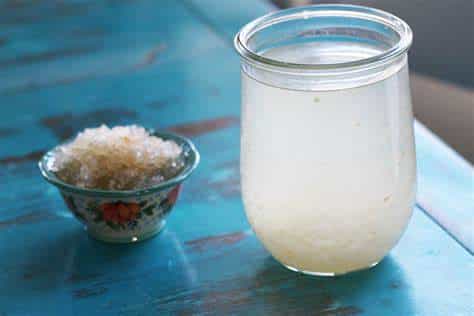
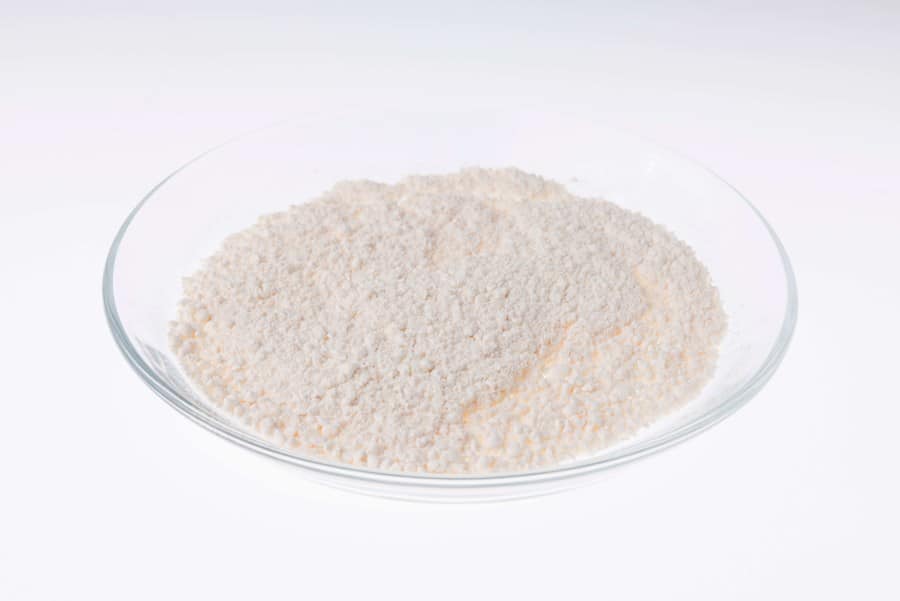
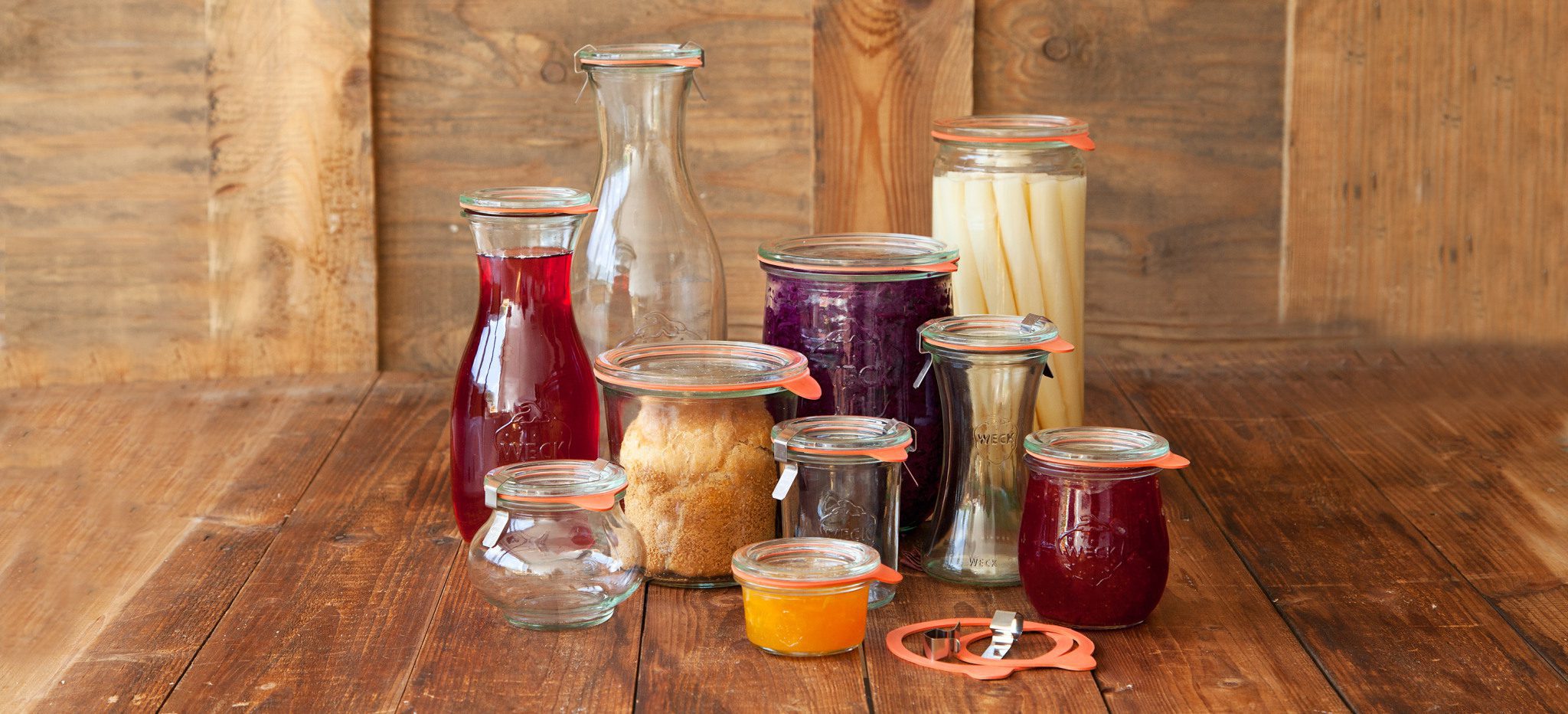
Mix the water with the sugar and fruit (powder). If you have tap water, boil it. Pour the water into a glass container with an airtight lid.
Add the kefir grains after straining off the liquid they were kept in. Put the lid on but only tighten it until it sits so air can escape, or cover with a piece of cloth and a rubber band. Leave at room temperature for 48 hours / 2 days.
Pour the mixture through a stainless steel/plastic strainer into a clean jar. Let it sit in a bottle in the fridge for a few hours, which makes it better.
Discard the old fruit you used.
With the kefir grains you strained off you can start again from step 1.
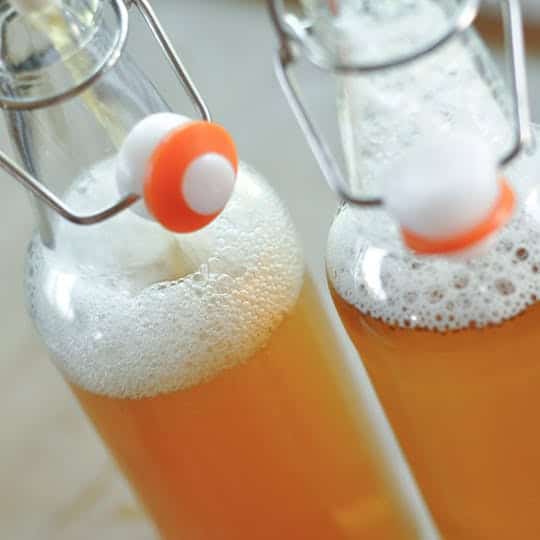
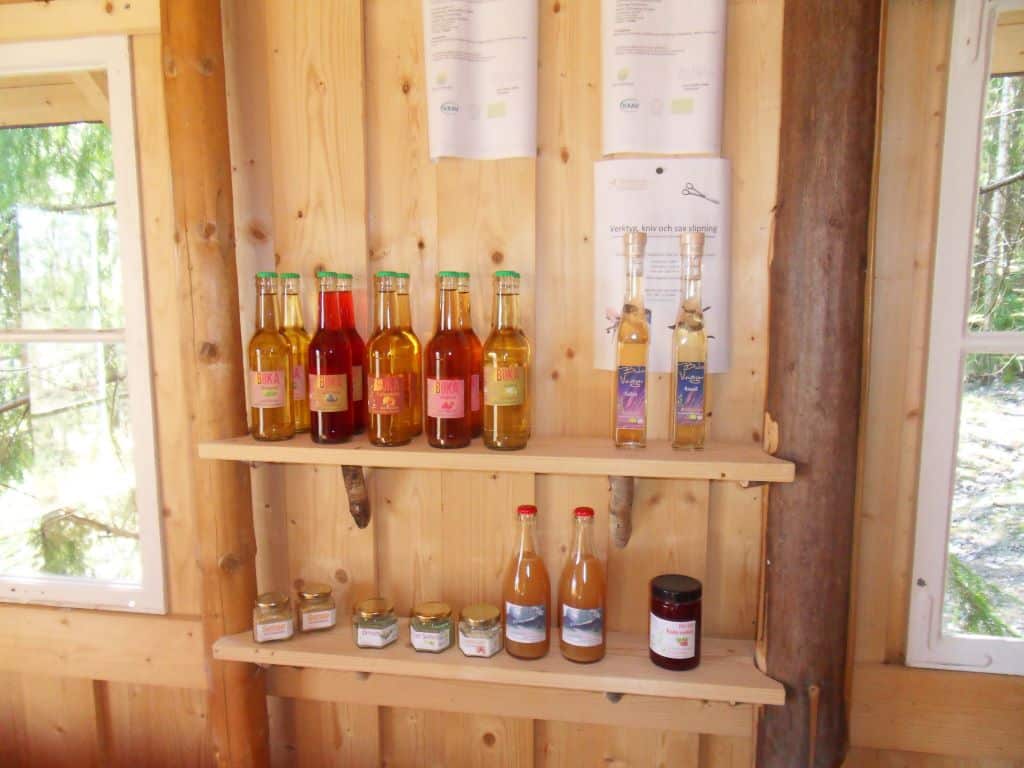
Water kefir tastes best with flavouring. The flavouring is called the second fermentation. Use berries, fruit or herbs. Lemon, ginger, apple, raspberry, blackcurrant or sea buckthorn are combinations we like. Put your flavouring in a bottle and top up with the strained kefir water.
Leave for 1-2 days at room temperature.
Carbon dioxide forms during the process, so burp the bottles once a day to relieve the pressure. Put the finished drink in the fridge to stop the process. The drink keeps for a very long time when stored cool.
About water kefir
Water kefir is a culture/grain that produces a drink after adding fruit juice/sugar water, and is then strained off and reused for the next batch, again and again. The kefir drink contains plenty of bacilli that contribute to a healthy gut flora.
When making water kefir at home it is important to know that the grains can be damaged by long contact with metal, so plastic, glass or wooden utensils should be used. The temperature must also not exceed 40 degrees.
The finished kefir should not be stored in metal containers either, best in a glass jar. The finished kefir keeps for a few days (finished kefir is the fermented juice/water without the kefir grains).
We have had different results with different kinds of fruit. The most common is to use a fig or date.
Adding kefir grains to fresh juice gives a delicious fermented drink in about 48 hours (depending on room temperature). Kefir can be enjoyed plain, flavoured with fruit juice or sugar. You can also carbonate it in a bottle by leaving the bottle at room temperature for a day.
Starting from the starter kit
Start your water kefir as soon as you receive the kit. Then it is most active and builds up quickly after transport. It is normal for the starter kit to puff up during transport, because fermentation goes on all the time and produces carbon dioxide, a sign of an active culture.
The first 2-3 times it takes at least twice the usual process time if transport takes longer (>6 days).
Flavouring suggestions
2 tbsp grated or chopped fresh ginger or turmeric and 1-2 tsp sugar
1 citrus fruit in slices such as orange, lemon, lime, blood orange or grapefruit. Or mix. Plus 1-2 tsp sugar.
1 dl juice or (raw) juice such as apple juice, carrot juice, raspberry juice or other fruit juice you like. No extra sugar is needed here.
50 ml crushed and mashed berries or fruit such as blueberries, strawberries, currants, blackberries, apple sauce, pear sauce, mango etc. Add 1-2 tsp sugar if the berries are not so sweet.
A tablespoon of tea, herbs or spices. Simply put some spices or herbs in the bottle and strain when serving, or make a strong infusion. Count 1 dl water and 1-2 tsp sugar. Flavourings we like are dried elderflower, green or black tea, chamomile or sprigs of herbs such as lemon verbena, blackcurrant leaves, raspberry leaves etc.
The grains we sent will start to grow so the amount of water kefir you can make increases with each batch, depending on how often you feed your water kefir. They can be eaten by blending them into e.g. smoothies as a 'super shot'. If you want to take a break from water kefir it is easy: do as usual but put the jar in the fridge. It is fine for it to stay there for up to 3-4 weeks. Reactivating takes at least 2-3 times the usual process time. We drink water kefir mostly chilled in summer, but you can also drink it straight from the brewing container or from a bottle at room temperature. If you want more carbonation in the water kefir, pour it into bottles. Leave at room temperature for 2 more days with the lid on. Put the drink in the fridge and drink within a few days (Note! Be careful at first, otherwise too much pressure can build up and the bottles can explode). Use bottles that withstand fermentation and high pressure (not ordinary juice bottles), such as those used for homebrewed beer or for fermenting.
What can go wrong:
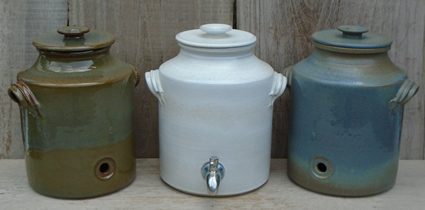
It does not happen often but your water kefir can go bad. When water kefir smells bad and unfresh, or you see mould on the grains, do not drink it and throw everything away. If in doubt, do not take the risk and throw everything away. Use hot water to clean. Washing-up liquid is fine but rinse everything thoroughly with water. The same applies to your hands, clean and rinse them. Washing-up liquid can kill your water kefir culture. Use a good sugar. We use cane sugar or panela sugar, which contains a lot of nutrients for the water kefir culture and keeps it healthy. Avoid cheap glass (which often contains heavy metals) or old ceramic containers (lead glaze). And avoid contact with metal. When water kefir stands too long it becomes too sour and then it is best to start a new batch. Taste often and you will build up knowledge.