Startkit sojasås och tamari komplett – bild 4

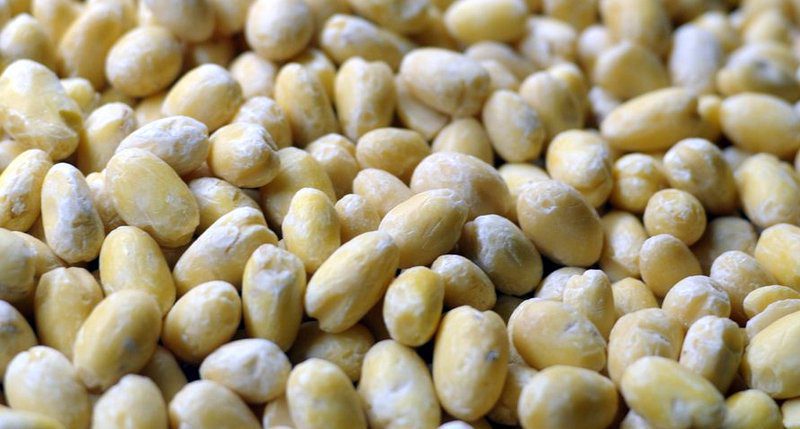
Swedish-grown KRAV organic fava beans

Everyone knows broad beans, but fava beans or field beans are less well known. It is a smaller variety that grows well in Sweden. And just as important, it tastes good! Make a tasty bean patty or hummus with it (instead of tropical chickpeas). We have blogged different recipes with fava beans.

See recipes

Umami flavour from fava beans

Miso is a Japanese ingredient used in large quantities daily. The product is made from grain products together with soybeans in a very special fermentation process. We make our miso both without and with grain and fava beans, but always Swedish.

Njordstorp’s Miso is of the highest quality and is made according to a traditional Japanese recipe, but we replace the raw materials with Swedish-grown ones.

Producing miso involves a long ripening process, resulting in a fantastic product rich in flavour and nutrition. Miso is in particular a good source of protein and good fatty acids.

Use:
Miso is a fantastic seasoning with notes of sweetness, salt and plenty of umami. Umami is especially sought after in the vegan kitchen, and miso is also good for marinating different products. Miso is very suitable for the well-known miso soup, sauces, stews and vegetable dishes.

Njordstorp’s Tamari

Tamari is usually a soy sauce with a full-bodied and complex salty flavour. The sauce is made from soybeans according to an old Japanese tradition, where the soybeans go through a long storage and fermentation process.

We replace the soy with Swedish fava beans and carry out the same Japanese process. The result is very close to the original, and we think the taste is even more complex, with plenty of freshness and umami.

Perfect in different dishes, dipping sauces and marinades.

Fava bean tempeh

KRAV organic Swedish-grown fava bean tempeh.
We make plain and smoked tempeh.

Tempeh ren

Swedish tempeh – a natural alternative to meat

Njordstorp’s meat-substitute product based on fava beans is a handcrafted tempeh. Tempeh made from Swedish-grown fava beans instead of imported soy gives a nutty flavour. Tempeh is extra healthy through fermentation (B12) and is easy to digest as a vegetarian alternative. Season as you like and fry in oil. It then gets a crispy crust with a juicy inside and becomes completely irresistible. Tempeh is a traditional product originating from Indonesia, and the knowledge of it came to Europe via the Netherlands (Indonesia was once their colony) around 1875, when it was mentioned in a Javanese-Dutch dictionary. In the early 1970s tempeh was introduced in the USA, where people began to take more interest in alternatives to the resource-wasting American meat diet.

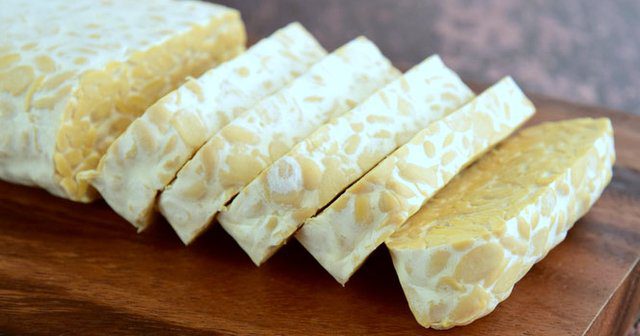
Tempeh could be described as a cake of beans woven together by fungal mycelium. In that way the product is a bit like white-mould cheeses such as brie and camembert. Unlike tofu and other soy products, the beans are fully visible in tempeh and nothing but the bean skins is removed.

Tempeh can be used in cooking much like meat or fish. The most common ways of preparing it are perhaps frying, wok cooking, deep-frying or boiling. Fried tempeh closely resembles pork in taste and most people like the taste of tempeh. Use it, for example, in tacos, lasagne, pasta, wraps or burgers.

We have different tempeh products in our web shop, and products to start making tempeh yourself at home. You can find tempeh recipes here…

Handling instructions

Njordstorp’s tempeh is a living, cultured food that comes fresh, chilled or frozen to slow the fermentation without destroying all the beneficial probiotic stimulators (commercial tempeh is mostly pasteurized, which makes it hard and bitter).

We recommend keeping our tempeh frozen to keep the flavour mild (otherwise the flavour develops to strong). It will stay fresh for up to 6 months in the freezer.

To thaw tempeh, leave it at room temperature for an hour or two or place it in the fridge overnight. Do not use a microwave, as that destroys the bacterial culture.

If you want to store cooked food, it is the same as other leftovers you are used to. Uncooked tempeh starts to ferment again after about 3 days in the fridge, which will result in a much stronger flavour.

Exciting food projects with tasty results.

See bean products