Svenska




Cream Cheese Starter Culture
Price range: 145 kr through 266 kr
Cream Cheese Starter Culture
Cream Cheese Starter Culture
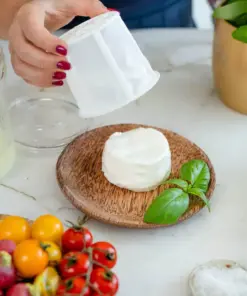
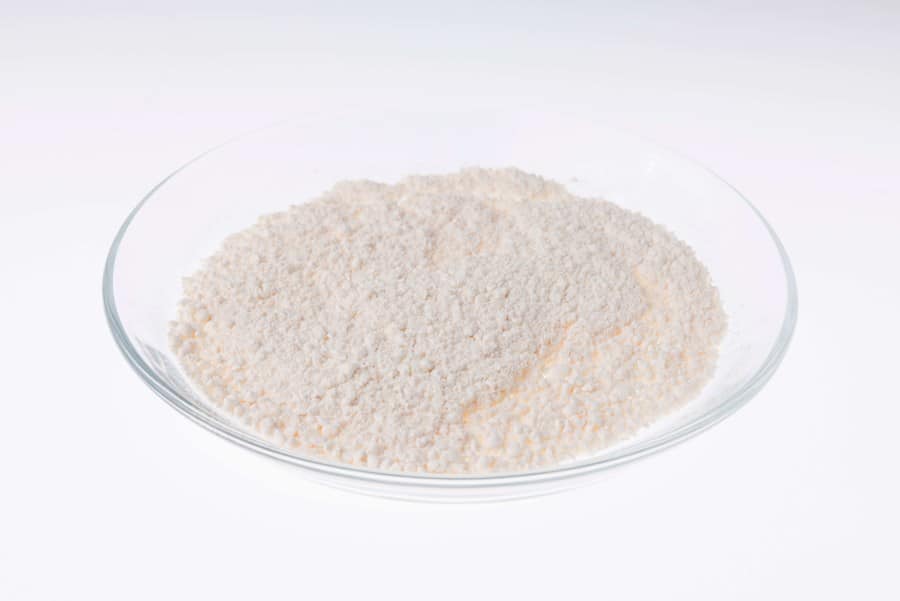
Njordstorp’s cream cheese starter culture makes a delicious, creamy and thick cream cheese of exceptional quality. Cream cheese is a fermented dairy product made by fermenting high-fat milk with beneficial lactic acid bacteria until it thickens. It is then strained to make a firmer, spreadable cream cheese. The whole process is very easy to follow, takes very little of your time, gives a high yield, and the result tastes wonderful!
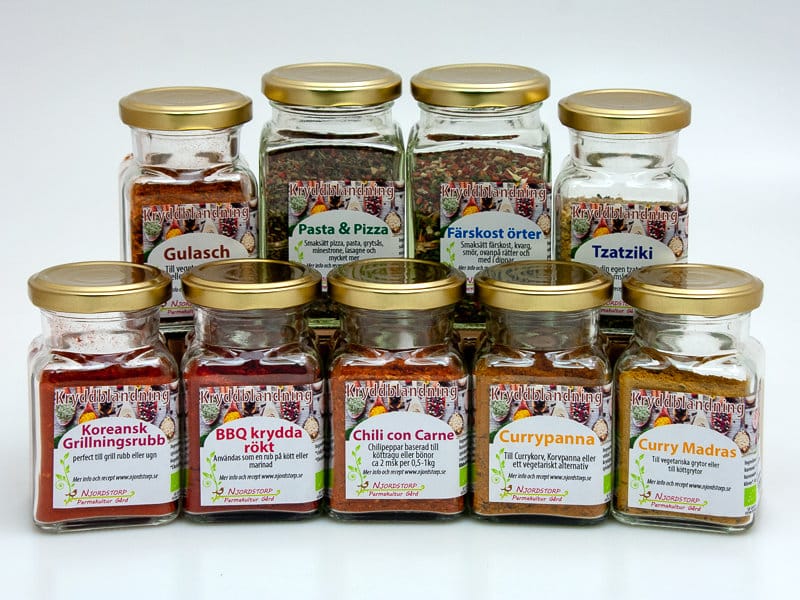
Whether you love cream cheese spread on toast, in cooking or sauces, or for making cheesecakes or frosting, it is so much better when you make it yourself. And the flavours you can create are endless when you mix in herbs or spices . We have a herb blend made specifically for cream cheese.
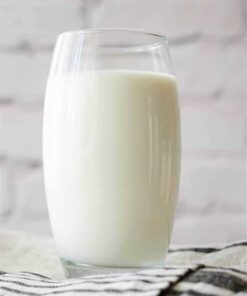
You can use raw or pasteurised milk, cream, or a mix of cream and milk. The higher the fat content of your cream, the thicker and tastier your cream cheese will be.
Our cream cheese starter culture is a mesophilic culture, which means you can make it at room temperature. Making cream cheese from cream is super easy. Just add the culture to the cream to ferment it, then strain it to get a thick, spreadable cream cheese, and you’re done. There is no need to heat the cream or keep it warm in a yoghurt maker, but you can if you like.
If you want to make a lower-fat version with milk, that works just as well, but you may need rennet or milk powder to get it thick enough to strain.
Njordstorp’s starter culture is pure freeze-dried cultures with no strange ingredients. You can make batch after batch from the cream cheese you have made, so don’t forget to save a cup of the finished cream cheese to make your next batch. Keep it in the fridge and make sure you use it for your new batch within 3-4 days, so that all the bacteria are viable and in good condition. Depending on hygiene, it can become contaminated. If you notice the flavour or sourness changing, you can start over with the culture you have left in the packet.
Making cream cheese
- a jar or other container and a towel to cover the container during incubation
- cheesecloth
- optional: rennet
Activating your starter:
- Let your milk/cream come up to room temperature on its own, or warm it gently if you want to speed up the process.
- Add the culture from the packet to the milk and stir until dissolved. Note: do not whisk. Whisking adds air bubbles to the cream and slows down incubation.
- Cover the jar with a towel to keep it clean from dust and airborne particles.
- Leave the cream for about 24 hours, then check whether it has set. The cream has set if it pulls away cleanly from the side of the jar when you tilt it. It should have the consistency of thick yoghurt. It will likely be firm at the top while still slightly watery further down, and it should come away from the jar easily when tilted.
- If it hasn’t set within 24 hours, leave it longer and check every 2-4 hours until it sets. It can take up to 72 hours to set, depending on the room temperature and other conditions in your home.
- Pour the thickened milk into the cheesecloth and let the whey drip out for 3 to 9 hours, or until the cheese is as dry as you like.
- Remove the cream cheese from the cheesecloth and transfer it to a jar or storage container. Cover with an airtight lid.
- If you plan to add any flavourings to your cream cheese, add them now while the cream cheese is nice and soft and easy to mix (it firms up considerably later in the fridge). You can simply add a little salt for a classic Philadelphia-style cream cheese flavour (about 1.25%), or whatever you like in your cream cheese – spring onions, chives, walnuts, etc.
- Put the cream cheese in the fridge for at least several hours so it can set properly. Chilling the cream cheese helps it thicken and improves its flavour.
Ingredients: freeze-dried starter cultures and milk powder
This product is freeze-dried and keeps for a long time. The packet can be resealed after opening, so it can be used for several batches.
Storage instructions for the starter culture: Store in the fridge or freezer. Starter culture is highly hydrophilic; if moisture gets into the packet, it will reduce the quality. Shelf life at least 1 year in the freezer.
Recipes
| Weight | 0,01 kg |
|---|---|
| Dimensions | 10 × 8 × 1 cm |
| Packaging for | 10 L, 20 L |
Related products